Jesus, Buddha, Krishna & Lao Tzu: The Parallel SayingsPaperback – Illustrated, May 1, 2012

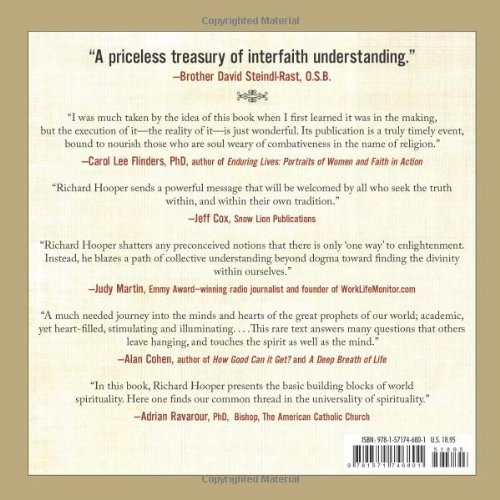

Jesus, Buddha, Krishna & Lao Tzu: The Parallel Sayings
Paperback – Illustrated, May 1, 2012
Rating
- ★
- ★
- ★
- ★
- ★
製品の詳細
N/A
N/A
N/A
Item Model
N/A
技術仕様.
Publisher: Hampton Roads Pub Co Inc; Reprint edition (May 1, 2012)
Publication date: May 1, 2012
Language: English
Paperback: 178 pages
ISBN-10: 1571746803
ISBN-13: 978-1571746801
Dimensions: 6.9 x 0.5 x 6.9 inches
Publication date: May 1, 2012
Language: English
Paperback: 178 pages
ISBN-10: 1571746803
ISBN-13: 978-1571746801
Dimensions: 6.9 x 0.5 x 6.9 inches
Byline
English Edition
by
{"isAjaxComplete_B001JS3BZ8":"0","isAjaxInProgress_B001JS3BZ8":"0"}
Richard J. Hooper
(編集)
› Visit Amazon's Richard J. Hooper Page
Find all the books, read about the author, and more.
See Search Results show
Are you an author?
Learn about Author Central
Richard J. Hooper
(編集)
Merchant
Ships from Rarewaves-USA Sold by Rarewaves-USA
All Variant
N/A
Size Variations
N/A
Colour Variations
N/A
Variation Details
N/A
Review

- ★
- ★
- ★
- ★
- ★
N/A
Reviewed in Brazil on December 8, 2016
Great book. I loved it from the front page to the end. Book with simple language and objective way brings us the similarities of the teachings of these great masters of spirituality.
- ★
- ★
- ★
- ★
- ★
N/A
Reviewed in Brazil on December 8, 2016
Great book. I loved it from the front page to the end. Book with simple language and objective way brings us the similarities of the teachings of these great masters of spirituality.
- ★
- ★
- ★
- ★
- ★
N/A
Reviewed in the United States on August 7, 2017
8 years I was in the seminary. part of our history of philosophy was dedicated to Eastern Thought (1956). The professor was very bland, but in reality he had the intellectual part of these paths down clearly. But, we still did not understand what he was saying nor were we fully enlightened as to the depth and meaning of these paths of spirituality. We were studying them mostly as finding errors in them which would be more apologetic for Christianity and less interested in the depth of this thinking and living.In the final year of theology, I was able to be in a class on the "Gospel of Thomas". The professor was a well respected Catholic Biblical Scholar.but once again we read this document only as a gnostic text and not trying to get to the depth of meaning and the real history of the various texts which Gnosticism produced. We only saw these texts as "errors" against "Orthodox" Christian thought.Richard Hooper does a fantastic job of bringing together the thoughts of all four of the PATHS of Spiritual and Life reflection which this book presents. I really wish we had this text years ago. The author clearly describes not just the meaning and role of Gnosticism and its influence on Christian Theology, but then the similarity of thought of the eastern paths of life and that of the early Christian community.This is truly a book of meditation. Each chapter begins with an explanation of the Christian experience as it is also reflected in the long history of the in depth experience of the Way (Tau) as experienced by Hindu, Buddhist and Lao Tzu monks.If one wishes to really experience the depth of meaning of what life and humanity mean, this will be a powerful introduction to a life of depth spirituality. This book will help clarify ones own understanding of the religious experience his or her faith has presented. It will also help one to remove from the thinking process the errors which often obfuscate our Journey in the spiritual life.
- ★
- ★
- ★
- ★
- ★
N/A
Reviewed in the United States on August 7, 2017
8 years I was in the seminary. part of our history of philosophy was dedicated to Eastern Thought (1956). The professor was very bland, but in reality he had the intellectual part of these paths down clearly. But, we still did not understand what he was saying nor were we fully enlightened as to the depth and meaning of these paths of spirituality. We were studying them mostly as finding errors in them which would be more apologetic for Christianity and less interested in the depth of this thinking and living.In the final year of theology, I was able to be in a class on the "Gospel of Thomas". The professor was a well respected Catholic Biblical Scholar.but once again we read this document only as a gnostic text and not trying to get to the depth of meaning and the real history of the various texts which Gnosticism produced. We only saw these texts as "errors" against "Orthodox" Christian thought.Richard Hooper does a fantastic job of bringing together the thoughts of all four of the PATHS of Spiritual and Life reflection which this book presents. I really wish we had this text years ago. The author clearly describes not just the meaning and role of Gnosticism and its influence on Christian Theology, but then the similarity of thought of the eastern paths of life and that of the early Christian community.This is truly a book of meditation. Each chapter begins with an explanation of the Christian experience as it is also reflected in the long history of the in depth experience of the Way (Tau) as experienced by Hindu, Buddhist and Lao Tzu monks.If one wishes to really experience the depth of meaning of what life and humanity mean, this will be a powerful introduction to a life of depth spirituality. This book will help clarify ones own understanding of the religious experience his or her faith has presented. It will also help one to remove from the thinking process the errors which often obfuscate our Journey in the spiritual life.
- ★
- ★
- ★
- ★
- ★
N/A
Reviewed in the United States on July 23, 2019
Very disappointed in this book because the writer used his own personal translation of the Bible for the quotes from Jesus (he is not a recognized biblical scholar) and did not cite the verses he was “quoting” from any of the texts. The idea is a great one but the execution lacked true, reliable scholarship.
- ★
- ★
- ★
- ★
- ★
N/A
Reviewed in the United States on July 23, 2019
Very disappointed in this book because the writer used his own personal translation of the Bible for the quotes from Jesus (he is not a recognized biblical scholar) and did not cite the verses he was “quoting” from any of the texts. The idea is a great one but the execution lacked true, reliable scholarship.
- ★
- ★
- ★
- ★
- ★
N/A
Reviewed in the United States on April 17, 2020
Although this book was a labor of love (read the end of the book), I was first introduced to a similar comparison by Karl Jaspers in his Great Philosophers series. If you have had a similar idea to produce a comparison then you will appreciate the passion Hooper puts into the reflections which introduce each chapter. Of course a closer book would be Marcus Borg's own attempt at a "sayings" comparison. This is obviously why the gospel of Thomas is used as this is like the assumed missing book of Q used by Matthew and Luke. Since the author is part of the Jesus Seminar he is qualified to translate at least the NT Greek portions of Jesus's words, and he readily admits he is not a scholar of Sanscrit or Pali. I was pleasantly surprised to read his biography at the end and learn he lives in Sedona. He does have credentials to write on this subject and interfaith topics. Sometimes having apparatus can take away from the contemt, but I have to agree with some of the other reviewers that given more time, a better job of references and apparatus would have increased the value to a wider academic audience. There is value here, there just could have been a lot more the author is capable of given more time.
- ★
- ★
- ★
- ★
- ★
N/A
Reviewed in the United States on April 17, 2020
Although this book was a labor of love (read the end of the book), I was first introduced to a similar comparison by Karl Jaspers in his Great Philosophers series. If you have had a similar idea to produce a comparison then you will appreciate the passion Hooper puts into the reflections which introduce each chapter. Of course a closer book would be Marcus Borg's own attempt at a "sayings" comparison. This is obviously why the gospel of Thomas is used as this is like the assumed missing book of Q used by Matthew and Luke. Since the author is part of the Jesus Seminar he is qualified to translate at least the NT Greek portions of Jesus's words, and he readily admits he is not a scholar of Sanscrit or Pali. I was pleasantly surprised to read his biography at the end and learn he lives in Sedona. He does have credentials to write on this subject and interfaith topics. Sometimes having apparatus can take away from the contemt, but I have to agree with some of the other reviewers that given more time, a better job of references and apparatus would have increased the value to a wider academic audience. There is value here, there just could have been a lot more the author is capable of given more time.
- ★
- ★
- ★
- ★
- ★
N/A
Reviewed in the United States on February 11, 2020
1) He uses his own translation of the bible. (hmmmm) He uses mostly non-cannonical texts, gnostic writings etc. The Buddha quotes are from Buddha's followers. Stopped looking into it at this point... CLEARLY not a study of parallels, but instead a book to further one man's own paradigms. Threw this book away in less than a day.
- ★
- ★
- ★
- ★
- ★
N/A
Reviewed in the United States on February 11, 2020
1) He uses his own translation of the bible. (hmmmm) He uses mostly non-cannonical texts, gnostic writings etc. The Buddha quotes are from Buddha's followers. Stopped looking into it at this point... CLEARLY not a study of parallels, but instead a book to further one man's own paradigms. Threw this book away in less than a day.
- ★
- ★
- ★
- ★
- ★
N/A
Reviewed in the United States on September 21, 2017
An excellent comparative consideration of three of the world's spiritual wisdom traditions, The work opens the door to the parallel efforts of these different religions, each with a different "language" and symbolism, to facilitate a human experience of that which is outside of the perimeter of the human capacity for word representations, but toward which experience of "knowing" the language of great teachers have spoken to provide a path that could lead to its discovery..
- ★
- ★
- ★
- ★
- ★
N/A
Reviewed in the United States on September 21, 2017
An excellent comparative consideration of three of the world's spiritual wisdom traditions, The work opens the door to the parallel efforts of these different religions, each with a different "language" and symbolism, to facilitate a human experience of that which is outside of the perimeter of the human capacity for word representations, but toward which experience of "knowing" the language of great teachers have spoken to provide a path that could lead to its discovery..
- ★
- ★
- ★
- ★
- ★
N/A
Reviewed in the United States on August 30, 2020
This book has fake/missing citations. Returned the book because there are subscript numbers giving the impression there will be citations at the end of the book with the matching number, but there isn't one. How are there a subscript numbers at the end of paragraphs but nowhere else in the book to link that number too?? He just makes wild claims without sourcing where the info came from. This could have been a great book if he had just done his homework like any ordinary scholar.
- ★
- ★
- ★
- ★
- ★
N/A
Reviewed in the United States on August 30, 2020
This book has fake/missing citations. Returned the book because there are subscript numbers giving the impression there will be citations at the end of the book with the matching number, but there isn't one. How are there a subscript numbers at the end of paragraphs but nowhere else in the book to link that number too?? He just makes wild claims without sourcing where the info came from. This could have been a great book if he had just done his homework like any ordinary scholar.
- ★
- ★
- ★
- ★
- ★
N/A
Reviewed in the United States on April 21, 2017
As a Radio & Television Producer Host I do read books weekly, over the course of a year it's a lot. This book is such a wonderful study paralleling the 4 great masters Jesus, Buddha, Krishna and Lao Tzu. I love the way the scriptures equivalents can be read side by side. I really like that it also helps point out what unifies us in different religions as opposed to what separates us.Makes studying and pondering the teachings so accessible.